
Hello, I’m Dr. Ikeranda (affectionately known as “Dr. Ike”). I help people make sense of the patterns they’ve spent years judging themselves for.
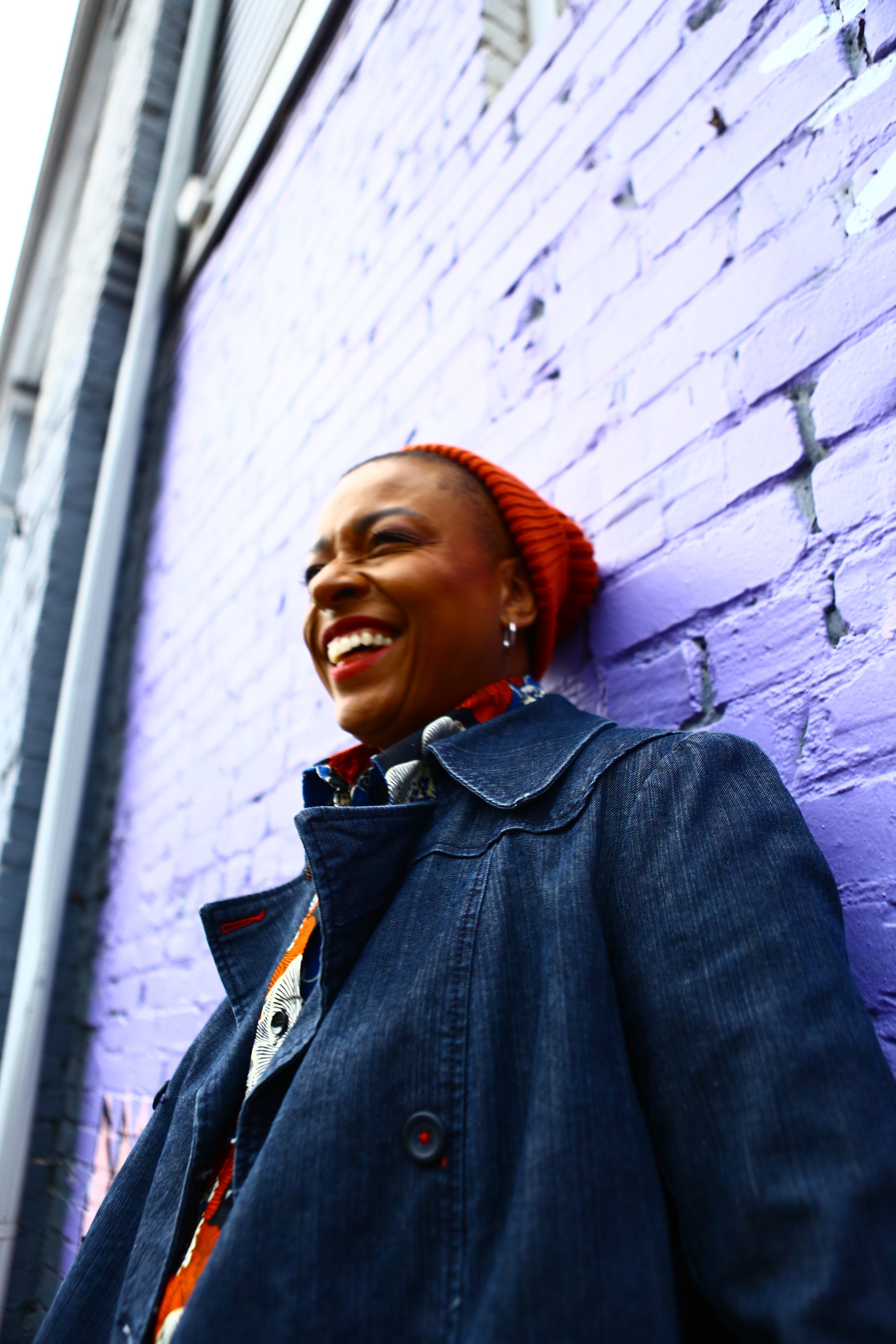
My Beginning
When I was a child, I realized that people had difficulty being in relationships. I grew up as a firstborn daughter (affectionately known as the Eldest Daughter) and a firstborn granddaughter on the matriarchal side of my family. Additionally, I was raised by a single mother (who was also an Eldest Daughter), who was raised by an Eldest Daughter, who also was raised by an Eldest Daughter. My mother had a strong desire for a better life. However, she was largely unaware of how her own childhood experiences shaped her, and in turn, influenced mine. My healing journey began when I recognized that many of my choices were driven by a need for my parents' approval. Once I grasped the importance of honoring my own identity, I confidently embraced the person I was becoming.
Throughout my years of study, I gained valuable insights into the complexities of family dynamics, birth order, and epigenetics. I observed firsthand the challenges families face, which deepened my understanding and equipped me to address these issues with clarity and resolve. It became clear that people yearned for an anchor to pull them back to safety, which ultimately led me to help individuals live more authentically and find true fulfillment by living in their truth.
“Individuals who want to believe that there is no fulfillment in love, that true love does not exist, cling to these assumptions because this despair is actually easier to face than the reality that love is a real fact of life but is absent from their lives.”
―Bell Hooks
Does this sound like you?
You keep finding yourself in the same kinds of struggles, even when you’ve promised yourself you would do things differently.
Maybe you’re the one everyone depends on.
Maybe you stay busy because slowing down feels uncomfortable.
Maybe food, alcohol, scrolling, or other comforts have become where you go when life feels like too much.
Or maybe you pull away, spend, detach, or look for an exit when things get too close.
You may have wondered:
Why do I keep doing this when I know better?
Why is it so hard for me to rest, receive, or let someone else take care of things?
Why do I keep struggling with boundaries, burnout, emotional eating, money, intimacy, or relationships?
Why do I understand myself intellectually, but still find myself repeating the same behaviors?
What if these aren’t separate problems?
What if they’re patterns?
The ways you love.
The ways you work.
The ways you cope.
The ways you protect yourself.
The ways you disconnect when life, relationships, or emotions become too much.
These patterns didn’t come from nowhere. You learned them somewhere.
They may have once helped you feel safe, loved, needed, in control, comforted, or protected.
But what helped you survive one season of your life may be making it harder to live the life you want now.
You don’t need another list of things to fix about yourself.
You need to understand the pattern beneath what you’ve been trying to change.
And once you can see the pattern, you can begin choosing something different.
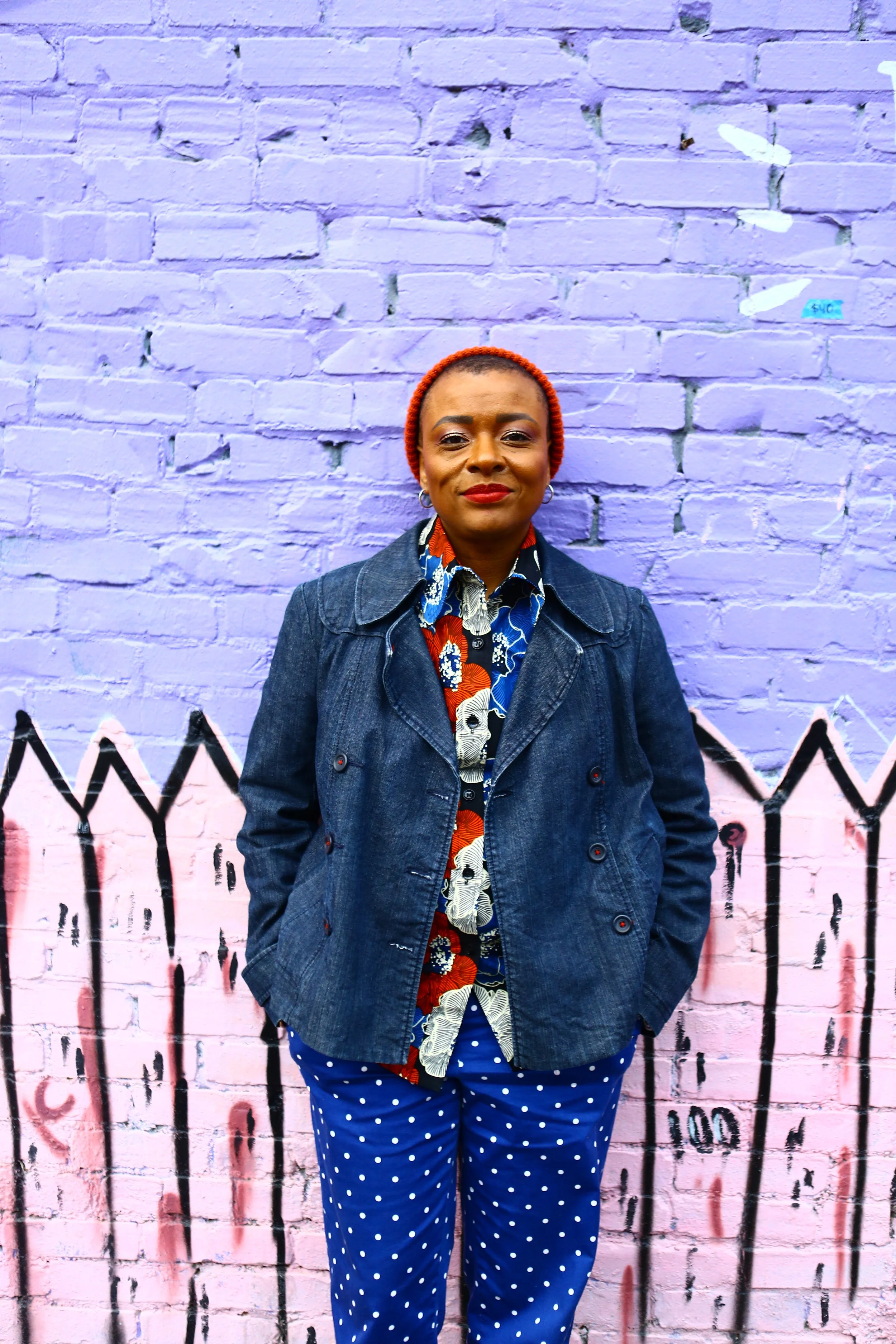
My Work & My Method
My mission is to help people understand the emotional patterns beneath the behaviors they’ve been trying so hard to change. Because what looks like people-pleasing, burnout, emotional eating, overworking, avoidance, difficulty with money, or struggles with intimacy may not be the problem itself.
It may be the way you learned to adapt.
We develop ways of finding safety, connection, comfort, control, and protection long before we have language for what we are doing. Over time, those adaptations can become patterns that shape how we love, work, cope, communicate, spend, rest, and relate to ourselves and others.
I help people recognize those patterns, understand where they came from, and discover what becomes possible when they no longer have to live by an emotional script they learned years ago.
The goal isn’t to become a different person.
It’s to understand yourself well enough to have more choices about who you become.
My work is rooted in integrative psychology and informed by research on human behavior, family systems, emotional development, stress, relationships, and the mind-body connection.
At the center of my methodology is my Emotional Patterns Framework, which identifies four common ways people learn to adapt:
The Over-Giver finds safety through giving, helping, caretaking, and being needed.
The Over-Functioner finds safety through doing, achieving, managing, and staying productive.
The Self-Soother finds safety in comfort, using things like food, substances, scrolling, entertainment, or other soothing activities to regulate difficult emotions.
The Escaper finds safety through distance, detachment, avoidance, novelty, spending, sex, or the freedom of having an exit.
None of these patterns means something is wrong with you.
They are adaptations.
And adaptations make sense when we understand what they were created to do.
Rather than focusing only on the behavior someone wants to stop, my methodology asks deeper questions:
What is this behavior doing for you?
What feeling, need, fear, or experience sits underneath it?
Where did you learn that this was the safest way to respond?
And where is that pattern still running your life, even though you no longer need it in the same way?
From there, we can begin tracing how the pattern moves through different areas of life: relationships, family, friendships, work, health, money, food, intimacy, boundaries, and the nervous system.
Because healing isn’t simply about stopping a behavior.
It’s about understanding the pattern beneath it, so you can respond to your life instead of automatically repeating what you learned.
“The beginning of love is the will to let those we love be perfectly themselves, the resolution not to twist them to fit our own image. If in loving them we do not love what they are, but only their potential likeness to ourselves, then we do not love them: we only love the reflection of ourselves we find in them” -Thomas Merton
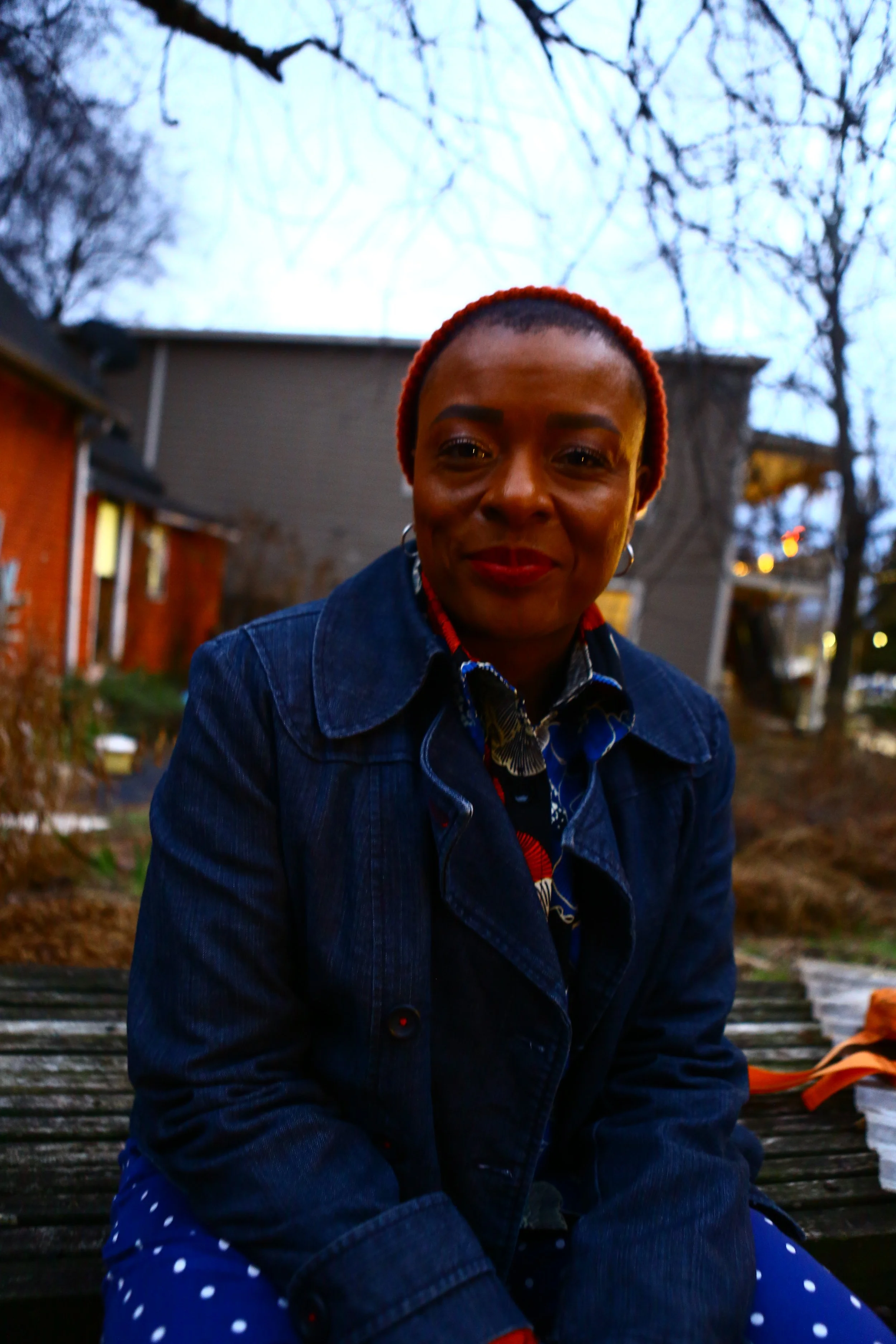
Here’s what’s possible!
What You’ll Experience
What changes when you finally understand the pattern beneath what you’ve been trying to change?
You begin to see yourself differently.
The behavior that once felt confusing starts to make sense. The reactions you judged yourself for have context. And the patterns you thought were simply “who you are” become something you can notice, understand, and begin to change.
Through this work, you may begin to:
Recognize your emotional patterns as they’re happening, not just after the damage is done.
Understand what sits beneath your behaviors, whether that’s over-giving, overworking, soothing, withdrawing, spending, avoiding, or disconnecting.
Notice your triggers earlier and understand what your mind and body are trying to protect you from.
Make different choices in relationships instead of automatically repeating familiar roles and dynamics.
Set boundaries with greater clarity without needing everyone else to understand or agree with them.
Develop new ways to respond to difficult emotions without immediately reaching for your familiar coping pattern.
The goal isn’t perfection.
It isn’t to never over-give, over-function, self-soothe, or escape again.
It’s about recognizing when the pattern has taken over and realizing you have another choice.
Because once you understand what you learned to do, you can begin deciding what you want to do now.